

The fabric that changed the world: a history of Cotton
Pick up a t-shirt right now — chances are it's cotton. It's so ordinary we barely think about it. But this soft, unassuming fiber has quietly shaped economies, sparked revolutions, and dressed billions of people for thousands of years. Here's how a plant fluff became the most important textile on Earth.
Ancient Beginnings
Cotton didn't start in a factory — it started in a field, thousands of years before factories existed. Archaeologists have found cotton fabric fragments in the Indus Valley (modern-day Pakistan) dating back over 5,000 years, making it one of the oldest cultivated fibers we know of. Independently, ancient civilizations in Peru and Mexico were also spinning and weaving cotton, completely unaware that people on the other side of the world were doing the same thing.
By the time of the Roman Empire, cotton was a luxury import from India, prized for being lighter and softer than wool or linen. Europeans didn't fully understand where it came from — some medieval writers genuinely believed cotton grew on trees that produced tiny lambs, which is where the plant's botanical name, *Gossypium*, tangled with folklore about the "vegetable lamb."
India: The Original Cotton Capital
For most of history, India was the undisputed center of cotton production and craftsmanship. Indian weavers were producing muslin so fine it was nicknamed "woven air" — fabric so sheer it could reportedly be pulled through a ring. This wasn't just skill; it was a sophisticated textile economy that supplied cloth across Asia, the Middle East, and eventually Europe.
When European traders — first the Portuguese, then the Dutch and British — arrived in India, they encountered a textile industry far more advanced than anything back home. Indian chintz and calico became wildly fashionable in 17th and 18th century Europe, so much so that European wool and silk industries lobbied their governments to ban cotton imports to protect their own businesses. It didn't work. People wanted cotton, and they were willing to break the rules to get it.
The Industrial Revolution Changes Everything
Here's where cotton's story shifts from craft to industry. In 18th century Britain, a string of inventions — the spinning jenny, the water frame, and later the power loom — made it possible to spin and weave cotton mechanically instead of by hand. What once took a skilled artisan days could now be done by a machine in hours.
This wasn't just a technical upgrade. It was the spark that lit the Industrial Revolution. Cotton mills sprang up across northern England, pulling workers — including many children — into brutal, fast-paced factory conditions. Manchester grew so fast it earned the nickname "Cottonopolis." For the first time, clothing that had once been expensive and hand-made became affordable enough for ordinary people to own more than one outfit.
But this boom had a devastating cost. British mills needed raw cotton in enormous quantities, and much of it came from the American South, where cotton cultivation expanded through the forced labor of enslaved people. The invention of the cotton gin in 1793, meant to make processing faster and easier, ironically deepened the reliance on slavery by making cotton farming more profitable at scale. Cotton became so central to the American economy that it was literally called "King Cotton" — and its production was inseparable from one of history's greatest injustices.
The 20th Century: Mass Production and New Rivals
By the early 1900s, cotton was the world's dominant textile, but it wasn't alone for long. Synthetic fibers like rayon, nylon, and later polyester emerged from chemistry labs and started competing for space in people's closets. Cotton had to reinvent its image — leaning into ideas of natural comfort, breathability, and authenticity that synthetics couldn't fully replicate.
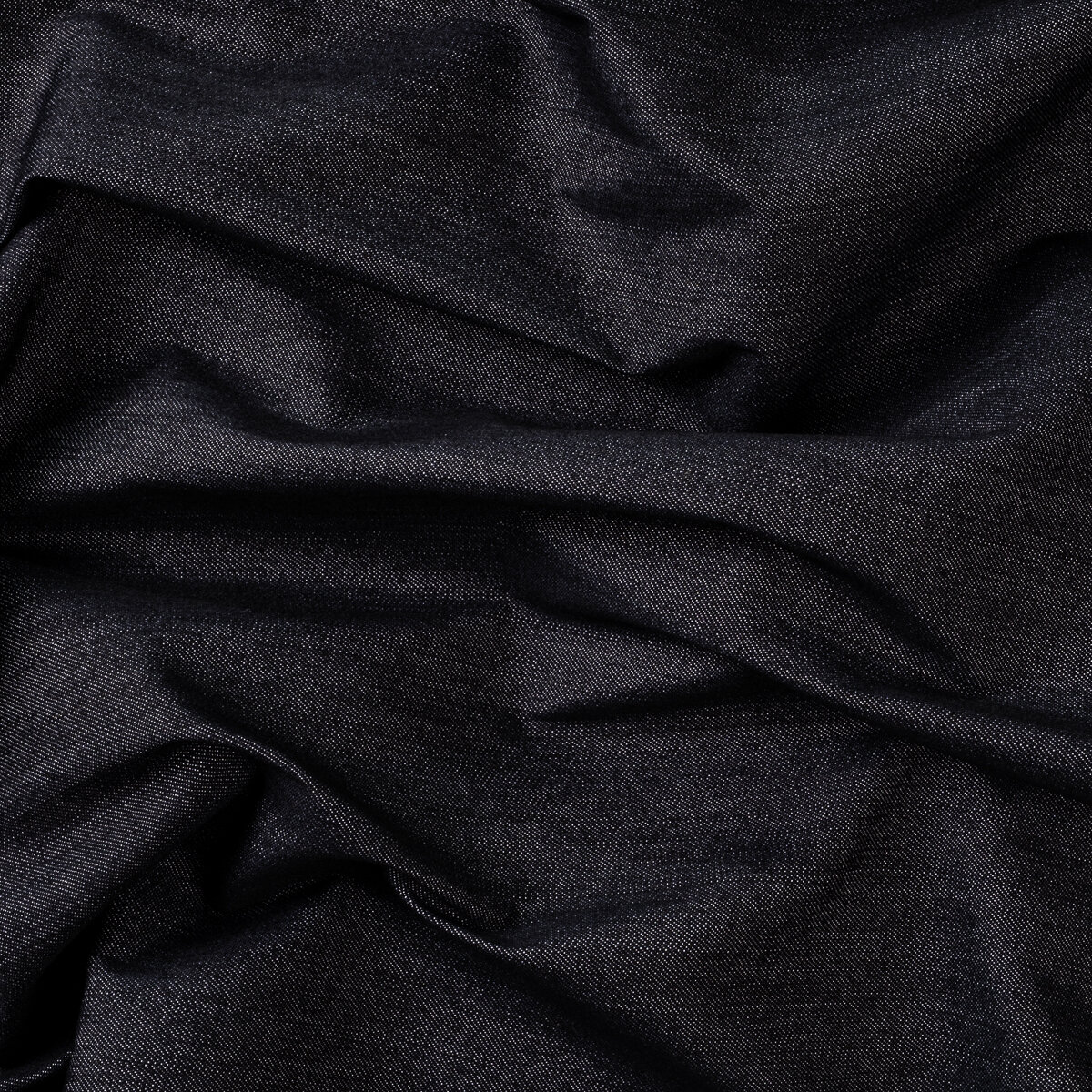
Denim, a rugged cotton twill, went from workwear for miners and laborers to a global fashion staple by mid-century, thanks in large part to Hollywood and youth rebellion culture. Meanwhile, advances in genetics and farming techniques dramatically increased cotton yields, though not without controversy — pesticide use and water consumption in cotton farming became major environmental concerns that are still debated today.
Cotton Today
Modern cotton sits at an interesting crossroads. It's still one of the most widely used fibers in fashion, valued for its comfort and versatility, but it's also under scrutiny. Conventional cotton farming is water-intensive, and the industry is grappling with questions about sustainability, labor practices, and traceability — where does the cotton in your t-shirt actually come from, and under what conditions was it grown and woven?
Organic cotton, recycled cotton, and better farming practices are all part of an ongoing effort to make this ancient fiber fit for a more conscious future.
What started as a wild plant fiber spun by hand in the Indus Valley eventually reshaped global trade, ignited industrial revolution, and became entangled with one of history's darkest chapters — all before becoming the soft basic you probably reached for this morning. That's the thing about fabric: it's never just fabric. It's history, worn.