

The Fiber Worth Going to War Over
For over a thousand years, one civilization kept a secret so valuable that revealing it was punishable by death. That secret was silk — and for a long time, only China knew how to make it. Here's the story of the fiber so precious it built trade routes, funded empires, and turned worms into currency.
A Secret Guarded for 3,000 Years
Legend has it that around 2700 BCE, a Chinese empress named Leizu was sipping tea under a mulberry tree when a cocoon fell into her cup. As it unraveled in the hot liquid, she noticed a fine, continuous thread — and silk was born. Whether or not that story is true, we know silk production, or sericulture, originated in China thousands of years ago, and the Chinese guarded the process fiercely.
This wasn't just craftsmanship, it was strategy. For roughly 3,000 years, China maintained a near-total monopoly on silk by keeping the method secret: raising silkworms, harvesting their cocoons, and unwinding the delicate threads was knowledge passed down carefully and protected by law. Smuggling silkworm eggs or revealing production secrets outside the empire could result in execution. Silk wasn't just fabric — it was a state asset.
The Road Named After It
Silk became so desirable across Asia, the Middle East, and eventually Europe that an entire network of trade routes was named after it — the Silk Road. Stretching roughly 4,000 miles from China to the Mediterranean, this wasn't a single road but a web of overland and maritime paths connecting merchants, cultures, and ideas as much as goods.
Roman aristocrats reportedly paid extraordinary sums for silk garments, and the fabric became such a symbol of decadence that some Roman senators tried to ban it, arguing it was corrupting public morals and draining the empire's gold reserves. It didn't work — the demand only grew.
Along the way, silk carried more than just trade. Religions, technologies, and art styles moved along these same routes, making the Silk Road one of history's greatest cultural exchange systems, all riding on the back of a shimmering thread.
The Secret Gets Out
The monopoly couldn't last forever. Around the 6th century CE, according to popular accounts, Byzantine monks are said to have smuggled silkworm eggs out of China hidden inside hollow bamboo canes, bringing sericulture to the Byzantine Empire. True or embellished, silk production did spread westward around this period, eventually reaching Persia, then the Mediterranean world.
By the medieval period, Italian cities like Lucca, Florence, and later Venice had become major silk-weaving centers, producing luxurious textiles for European nobility and the Church.
France followed, and under King Louis XI in the 15th century, the city of Lyon was established as a royal silk-weaving hub specifically to stop France's gold from flowing to Italy for imported silk. Lyon would go on to become one of Europe's most important silk cities for centuries.
Silk and Status in Europe
Throughout the Renaissance and into the 18th century, silk was inseparable from status. Sumptuary laws in various European countries literally restricted who was allowed to wear silk, reserving it for nobility and the wealthy elite. A merchant wearing silk above his station could face fines — clothing was a visible, legally enforced marker of class.
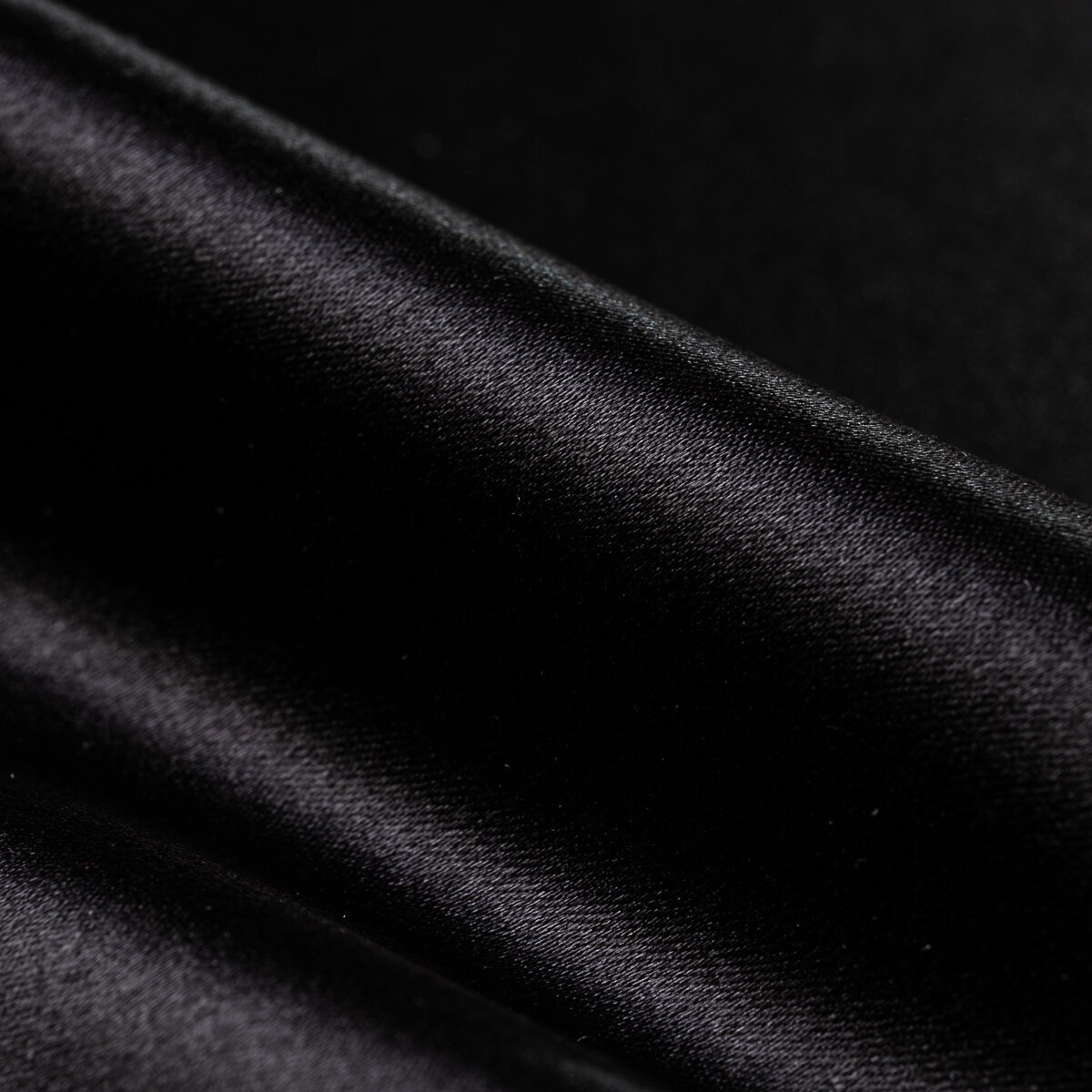
This era also produced some of the most elaborate silk textiles in history: brocades, damasks, and velvets woven with gold and silver threads, worn by royals and depicted in the era's most famous portraits. Silk wasn't just clothing, it was a public declaration of power.
Industrialization and the Silk Crisis
The 19th century brought both innovation and crisis to silk. The Jacquard loom, invented in 1804, used punch cards to automate complex woven patterns, making elaborate silk designs faster and cheaper to produce. Ironically, this same punch-card technology is often cited as an early conceptual ancestor of computer programming.
But disaster struck too. In the mid-1800s, a disease called pébrine devastated silkworm populations across Europe, nearly collapsing the French silk industry. Louis Pasteur was brought in to study the epidemic, and his work identifying the microscopic cause not only helped save sericulture but also advanced the broader field of microbiology.
The 20th Century: Losing Its Monopoly on Luxury
For most of history, silk had no real competitor. That changed in the 20th century with the invention of synthetic fibers. Nylon, introduced in the late 1930s, was marketed explicitly as an alternative to silk, particularly for stockings, and it caught on fast. Silk's dominance in everyday fashion began to fade, and it settled into a new identity: no longer a daily necessity for the elite, but a specifically luxurious material reserved for special garments — eveningwear, scarves, ties, and high fashion.
Silk Today
Modern silk production is still centered largely in China, alongside India and other parts of Asia, though the industry looks vastly different from its ancient origins. Traditional sericulture involves boiling cocoons with the silkworm still inside, which has led to the rise of alternatives like "peace silk" or "Ahimsa silk," produced by allowing the moth to emerge naturally before the cocoon is processed.
Today silk represents a small fraction of the global textile market compared to cotton or synthetics, but its cultural weight remains enormous. It's still shorthand for luxury, still associated with ceremony and occasion, still the fabric people reach for when something needs to feel special.
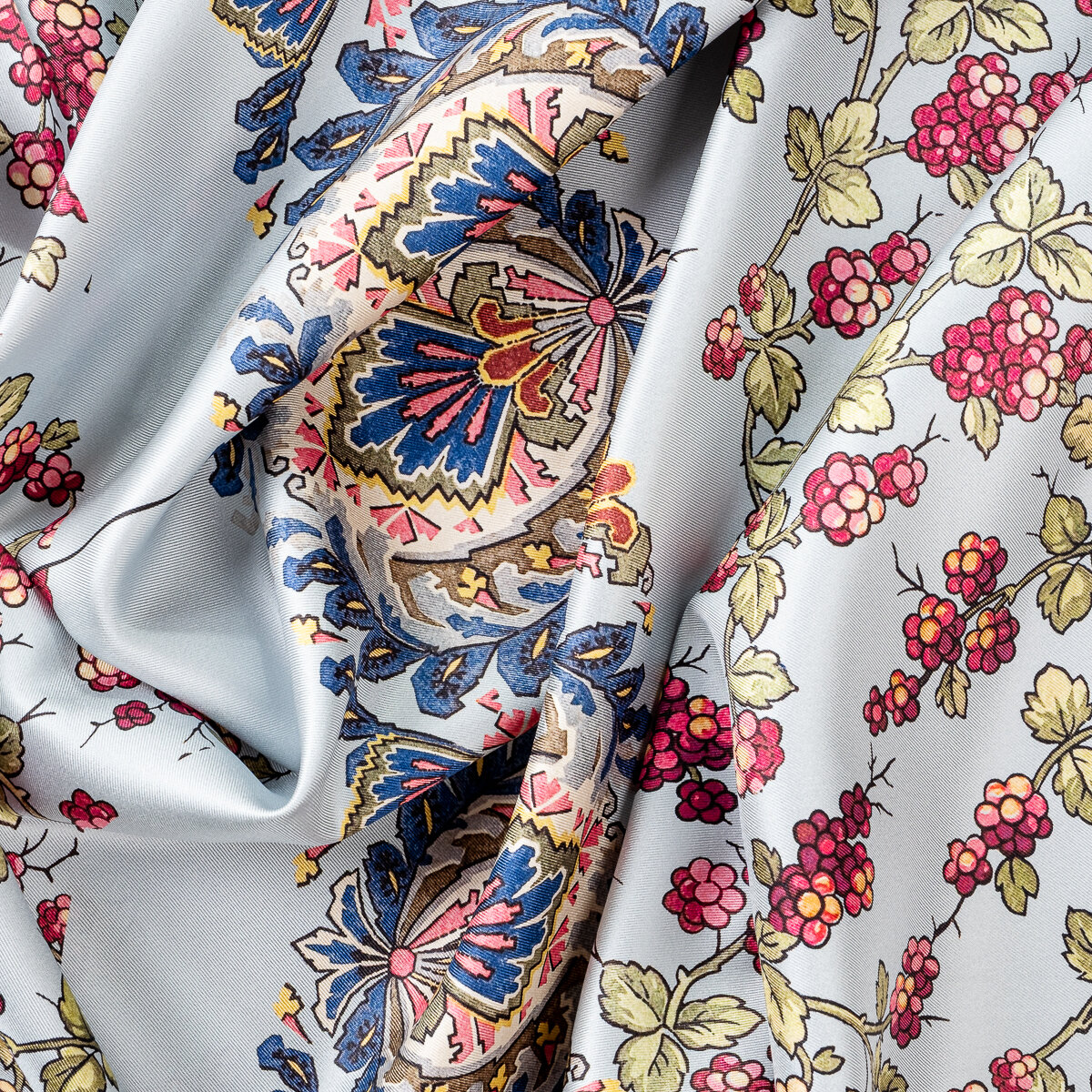
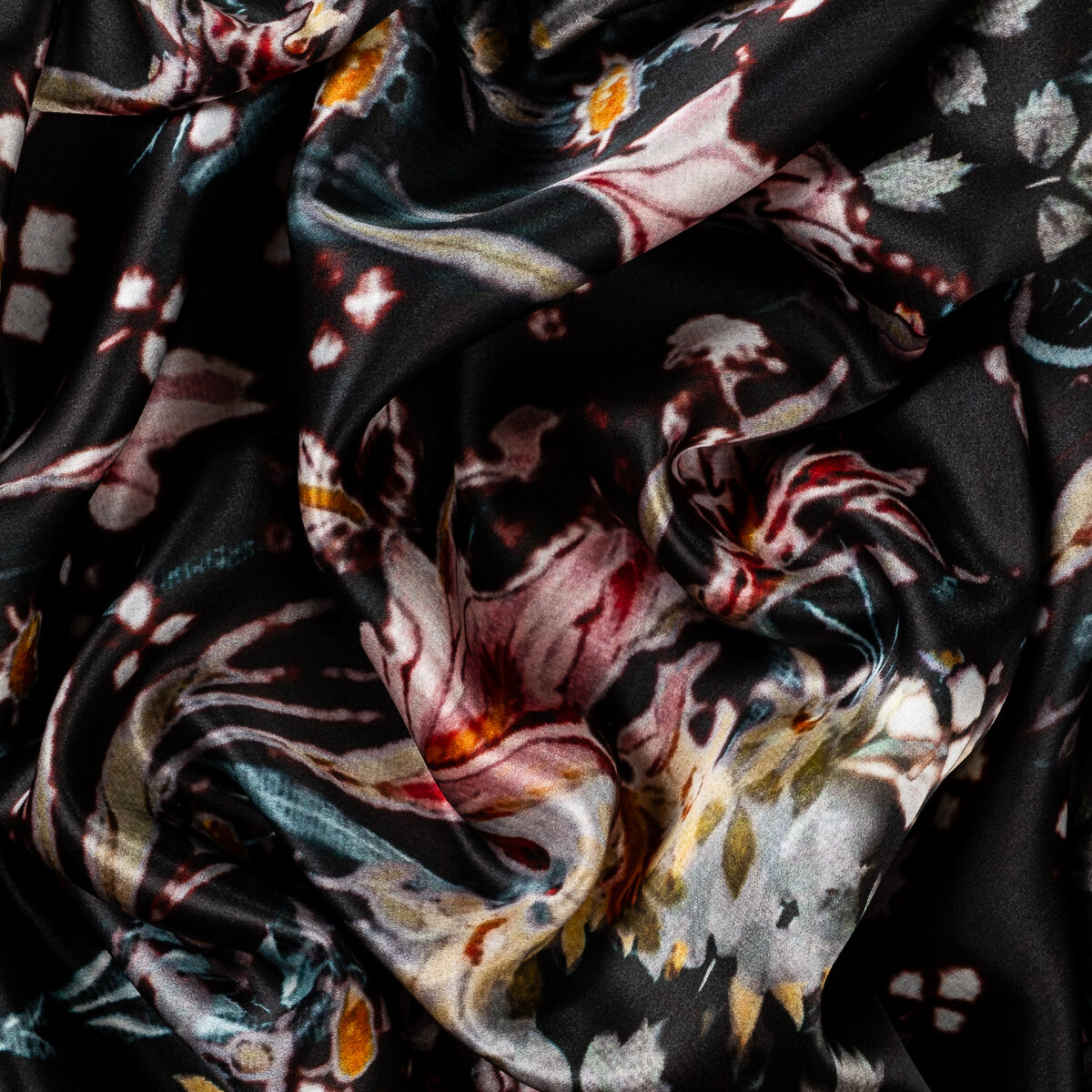
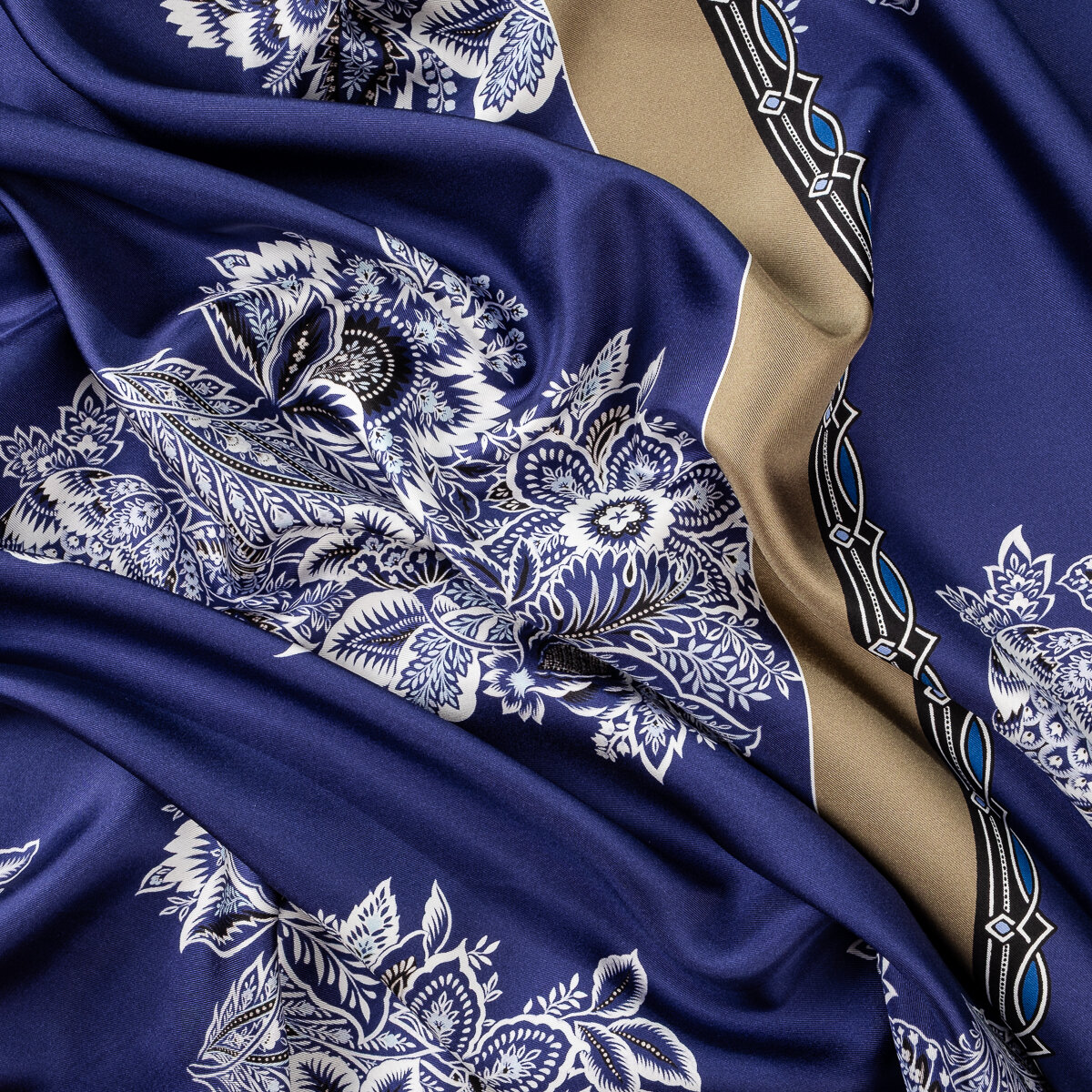
From an empress's teacup to a smuggled bamboo cane, from Roman senators' complaints to Louis Pasteur's microscope, silk's history is a reminder that the most luxurious things often come with the most complicated pasts.